
Melasma Triggers You Didn’t Even Know About
Melasma is a chronic skin condition that cannot be cured. However, through proper patient education and personalised care, melasma can be significantly improved and effectively managed. This comprehensive article is specifically designed for individuals who suffer from melasma, to gain a better understanding of its multiple causes and complex triggers, as well as how to manage the condition effectively in the long term.

What Is Melasma?
Melasma is a chronic pigment disorder that causes brown, grey-brown, or tan patches to develop on the skin. It most commonly affects the forehead, cheeks, upper lip, chin, and jawline.
Often referred to as hormonal pigmentation, melasma occurs when melanocytes, the cells responsible for producing pigment, become overactive and produce excess melanin.
The Main Melasma Drivers
Melasma is not just triggered by sun exposure from UVB and UVA rays. It is also heavily influenced by Visible Light, heat, and Infrared-A radiation generated by the sun, as well as free radicals produced by sun exposure and other environmental stressors.
UVB (The Melanin Producer): Damages cellular DNA and causes immediate inflammation (sunburn). This triggers melanocytes (pigment cells) to flood the skin with defensive melanin, causing instant dark spots.
UVA (The Pigment Darkener): Penetrates deeply into the dermis year-round, even through glass. It instantly oxidises existing melanin (making it darker) and destroys collagen, trapping pigment deep within the skin.
VL (The Stubborn Pigment Maker): Visible Light emitted by the sun and digital screens, this light penetrates deeper than UVA. It activates a receptor called Opsin 3, triggering highly stubborn, long-lasting pigmentation.
IR-A (The Heat Generator): Infrared-A is thermal energy (heat) from the sun (even in the shade), or prolonged exposure to heat which dilates blood vessels and promotes angiogenesis (new blood vessel growth), releasing inflammatory proteins leading to over producing pigment.
Free Radicals (The Skin Damager): These are unstable molecules generated by multiple sources, like sun exposure, heat, air pollution or alcohol. They cause oxidative stress, which essentially leads to melanocytes constantly overproducing pigment.
Why Standard Sun Protection Is Not Enough
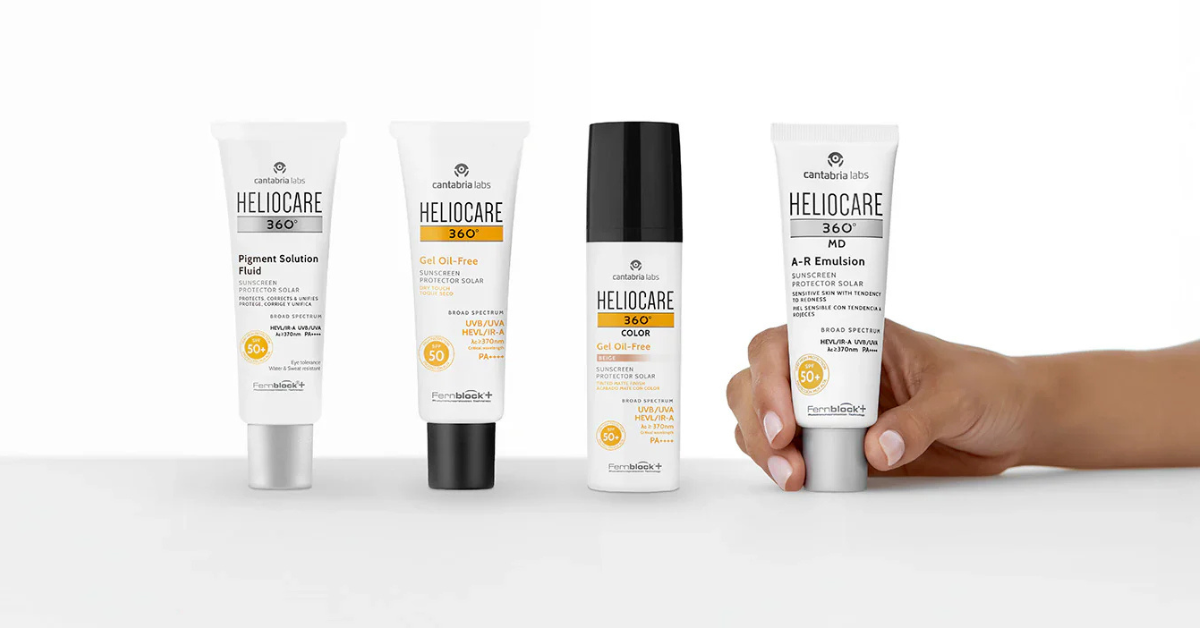
Sunscreens from standard pharmacies or salons often fall short when it comes to melasma they either only protect against UVB or lack the specific filters, ingredients, and oral supplementation needed to also protect against UVA, Visible Light (VL), Infrared-A (IR-A), and free radical damage.
The Wrong Product: Most sunscreens only protect against UVB rays, meaning they offer zero protection against UVA, VL, IR-A. They also fail to neutralize heat-induced and free radicals damage.
The Right Product: Melasma requires an SPF 50+ explicitly labeled “Broad Spectrum” or “PA++++” to stop UVA. It must contain iron oxides to block Visible Light, and antioxidants to neutralize Infrared-A heat.
Oral Sun Protection: Daily Heliocare 360° Capsules act as an internal shield. They neutralise free radicals before they can signal pigment cells to overproduce melanin. Clinical research shows using both their capsules and topical SPF results in a faster, greater reduction in melasma size and intensity than simply using their sunscreen alone.
Reapplication Matters: Sunscreen wears off and must be reapplied every 4 hours when indoors to protect against sun exposure through glass, window glare, digital screens and heat.
Outdoor Rules: Sunscreen must be reapplied every 2 hours when outdoors. This should be combined with remaining in the shade, and wearing a wide-brimmed hat, and UV-protective sunglasses to fully prevent flare-ups.
Environmental Triggers That Can Worsen Melasma
Many environmental factors can stimulate melanocytes and worsen pigmentation, even without direct sun exposure.
Heat Triggers: Saunas, steam rooms, jacuzzis, hot tubs, hot yoga, overly hot showers, prolonged cooking, and high heat settings on hair dryers may worsen melasma.
Light Triggers: High-Energy Visible (HEV) light from phones, computers, and LED screens may stimulate melanocytes, particularly in darker skin types.
Product Triggers: Perfumed skincare products, artificial fragrances, citrus oils, bergamot oils, and essential oils may cause low-grade irritation that contributes to pigmentation.
Treatment Triggers: IPL, BBL, laser treatments, microneedling, radio frequency treatments, aggressive chemical peels, waxing, threading, and plucking may worsen pigmentation in some individuals with melasma-prone skin.

Stress and Melasma: The Overlooked Connection
Stress is often overlooked as a major contributor to pigmentation flare-ups.
Stress Triggers: Stress triggers the release of Pro-opiomelanocortin, which breaks down into the Adrenocorticotropic Hormone (which triggers cortisol) and Alpha-Melanocyte-Stimulating Hormone, which binds directly to receptors on the melanocytes, acting as a direct command to produce massive amounts of new, dark pigment.
Stress Management: Managing stress is crucial for patients with melasma. Regular exercise, spending time with family and friends, adequate sleep, meditation, prayer, deep breathing exercises, and professional support are all options that may help reduce stress-related pigmentation triggers.

Dietary Factors and Inflammation
Internal inflammation caused by triggers such as refined sugars or processed foods may contribute to pigmentation and make melasma more difficult to control.
Dietary Triggers: Refined sugars, processed foods, excessive dairy consumption, and refined carbohydrates may increase inflammation and hormonal fluctuations that can worsen pigmentation.
Antioxidant Support: A nutrient and antioxidant-rich diet with regular water intake help support overall skin health and pigmentation management.

Hormonal Triggers and Medication Impact
Hormonal fluctuations can activate melanocytes and stimulate increased pigment production. While new medications can have a direct impact on certain skincare products, which may lead to worsening of pigmentation.
Hormonal Changes: Changes in hormone levels can activate melanocytes and stimulate increased pigment production. For this reason it crucial to manage your melasma under medical supervision to reduce the risk of flair ups.
New Medication: May increase skin sensitivity, contribute to pigmentation changes, or have a direct impact on certain skincare products (even if previously prescribed and effective). At Natural Aesthetics, patients inform us of changes, so we can make adjustments if neccesary and ensure it is safe to continue with products.

Melasma Treatment Options & Personalised Care
Natural Aesthetics is a fully equipped, doctor-led clinic with a special interest in treating pigmentation conditions, including hormonal hyperpigmentation (melasma and chloasma), sun-induced hyperpigmentation (solar lentigines, sunspots, and sun damage), and post-inflammatory hyperpigmentation (PIH).
Consultation: A consultation is the first step in gaining a deeper understanding of your condition, medical history, lifestyle, and potential melasma triggers. Our team will provide a personalised treatment plan, prescribed homecare routine, patient education, and regular follow-ups to help improve your condition and manage it effectively long-term.
Skin Assessment: To determine which treatment options are safe, suitable, and effective for you, we first assess your skin type, skin tone, pigmentation type, degree of correction required, and medical history. Not all pigmentation treatments are suitable for every skin type, and not all treatments are effective for every type of pigmentation.
Treatment Options: Treatment options may include our Hydroquinone Depigmentation Programme, the Mesoestetic Cosmelan Method, or a Skin Tech TCA Chemical Peel Course, combined with correctly prescribed homecare products, a personalised skincare routine, and ongoing medical oversight.
Long-Term Management: Following any of these programmes, patients with melasma transition to a maintenance protocol using appropriate homecare products and monthly follow-up questionnaires. This allows us to monitor progress, ensure homecare compliance, identify potential triggers, and continue managing melasma effectively over the long term.
Before & after


Google Reviews
Sharon
I can can truly say the professionalism, service, kindness and pain-free treatments I have received from my “aesthetics family” are exceptional and come highly recommended.
Sheridan
Wonderful service was provided. The staff is friendly. As a doctor, I would recommend Natural Anaesthetics—Cape Town to anyone interested in their services.
Graham
I highly recommend the practice. Received real professional advice regarding my skin.
Thanks Dr Wade and team.
Chantal
What a fantastic group of doctors! It was my first visit and it won’t be my last!
Lebohun
Dr Wade was great, understanding and gave insightful advice. I highly recommend the Green Point branch, very friendly receptionist as well.
Sharon
My skin has improved dramatically over the years that I’ve been treated at Natural Aesthetics, for which I am eternally grateful. Dr. Melinda and Dr. Wade are committed to a natural, subtle approach — always aiming for beautifully refined results.
Simone
Everyone from the arrival was super helpful and friendly. Dr Gericke was very friendly and informative.
Asia
Dr Melinda is gentle and professional and made my experience easy and comfortable. The treatment is worth the try. Minimal downtime (nearly none) and not painful at all. Can’t wait for my follow up treatment.
Sumari
Dr Wade is phenomenal. Took the time to run me through all of the questions and concerns I had. The entire team is great! I am happy to have started my skin care journey with them.
Rustin
I appreciate their professionalism and would highly recommend their services. Dr Aimee and Dr Wade are truly amazing
Marisa
Always receive excellent service from Dr Melinda. The branch always has excellent, friendly communication.
Carla
Dr Melinda is extremely knowledgeable and I felt very well taken care of. I felt no pain during my botox treatment. I did a lot of research on different clinics prior to making my appointment and I definitely made the right choice!
Lara
I have been going to Dr Melinda for Botox & Filler and I am very impressed by her attention to detail, professionalism and expertise. It makes such a difference I look and feel ten years younger.
FREQUENTLY ASKED QUESTIONS
Here are some of the most common questions we receive from patients across our clinics in Cape Town and Somerset West regarding melasma. If you have other questions or concerns about this treatment, please schedule a consultation with one of our doctors for personalised guidance.
Where are your clinics based?
Natural Aesthetics is a doctor-led aesthetic practice group with conveniently located clinics across Cape Town, in Green Point, Tyger Valley, and Somerset West.
Since 2015, we have helped thousands of patients achieve their skincare and aesthetic goals, we are proud to maintain Google Review ratings of between 4.8 and 4.9 stars across our clinics.
What causes melasma?
Melasma is caused by the overproduction of melanin by pigment-producing cells called melanocytes. Common triggers include sun exposure, visible light, heat, hormonal changes, certain medications, stress, inflammation, and genetics.
Can melasma be cured permanently?
No. Melasma is considered a chronic skin condition and cannot be permanently cured. However, with the correct treatment plan, skincare routine, and long-term maintenance programme, it can often be significantly improved and effectively managed.
Why does my melasma keep coming back?
Melasma often returns because the underlying triggers remain active. Continued exposure to sunlight, visible light, heat, hormonal fluctuations, medication changes, and inconsistent sunscreen use can all contribute to recurring pigmentation.
What is the best treatment for melasma?
There is no single treatment that works for everyone. Depending on your skin type, pigmentation type, and medical history, treatment options may include a Hydroquinone Depigmentation Programme, the Mesoestetic Cosmelan Method, Skin Tech TCA Chemical Peels, Dermapen 4™ Microneedling, professional skincare products, and long-term maintenance management.
Does sunscreen really help melasma?
Yes. Daily sun protection is one of the most important aspects of melasma management. Using a broad-spectrum SPF 50+ sunscreen from a reputable brand with Heliocare 360° Capsules, reapplying your sunscreen regularly, and protecting the skin from visible light and heat exposure can help prevent melasma from worsening and reduce the risk of flare-ups.